🇨🇦 Canada vs. The Bots: Is Your Data Actually Safe?
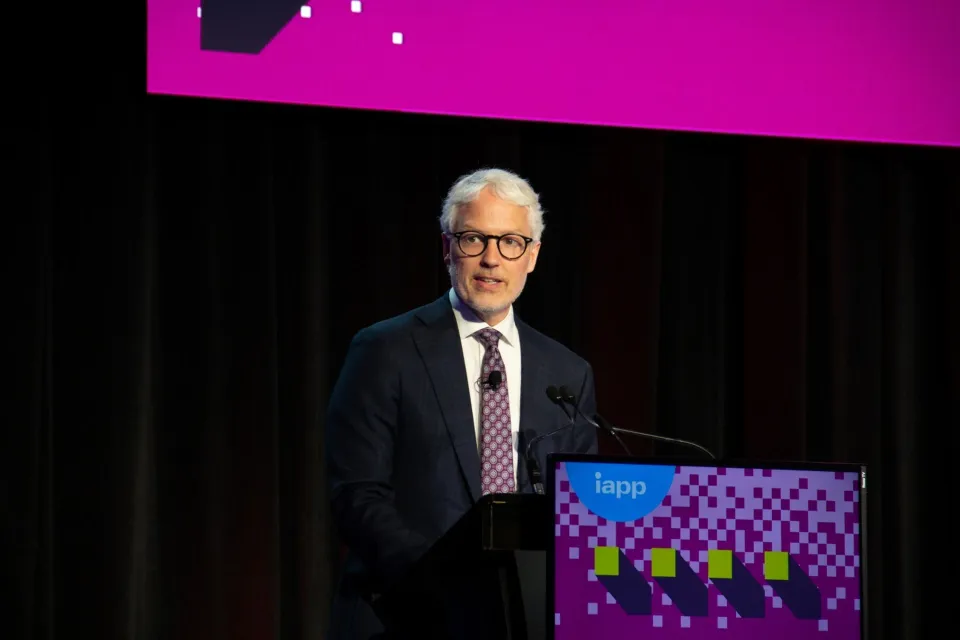
While we’re over here obsessing over local LLMs and encrypted vaults, some of the "grown-ups" in government are finally starting to wake up to the AI privacy nightmare.
Specifically, Philippe Dufresne (the Commissioner of Canada's Office of the Privacy Commissioner, or OPC) has been making some noise lately. If you’ve ever wondered if governments actually do anything about big-tech data hoarding, this is a rare "yes."
We caught wind of a recent one-on-one interview with Dufresne via IAPP, and there are some bits every privacy nerd needs to know.
Here is the TL;DR on what's happening in the Great White North. 🛡️
🚨 The "Oops" Factor: OpenAI Under Fire
First up, the spicy part. After a three-year investigation, Canada’s regulators basically told OpenAI that they launched ChatGPT without doing their homework.
According to Dufresne, OpenAI released the bot without fully addressing known issues, which left Canadians exposed to data breaches and discrimination. In plain English: they pushed "publish" before they figured out how to actually protect the people using it.
It’s a classic case of "Move fast and break things"—except the "things" being broken are your personal privacy rights.
🏗️ Fixing Old Laws for New Bots
Canada is currently in a bit of a legislative tug-of-war. They have old laws (like PIPEDA) that were written when "the cloud" was just something in the sky, not a place where your secrets live forever.
Dufresne is pushing hard to modernize these rules because:
- Innovation needs trust: He mentions that innovation "moves at the speed of trust." If people don't trust that their data is safe, the whole AI experiment hits a wall.
- Interoperability over "One Big Law": Instead of one giant, clunky AI law, he’s leaning toward making different regulations work together (interoperable) to keep up with how fast AI changes.
🌍 Canada as the "Privacy Bridge"
Dufresne is also the chair of the Global Privacy Assembly (GPA). He sees Canada as a "bridge" between the US, Europe, and Asia. The goal? To make sure that when your data crosses borders, it doesn’t suddenly lose all its protections.
He's also putting a huge focus on Children's Codes, because kids are often the most vulnerable to AI data-harvesting (and let's be real, they're the ones most likely to tell a chatbot their deepest secrets).
🧐 The Bottom Line: Why should you care?
It’s great that Commissioner Dufresne is fighting the good fight and calling out big players like OpenAI. It proves that our concerns about "oversharing" aren't just paranoia—they are recognized risks by top government officials.
But here is the catch: Lawsuits and legislative reforms take years. 🐢
While Canada works on its "National AI Strategy" and updates its laws, your prompts are still being sucked up by servers in real-time. You can't wait for a government act to protect your diary entries.
The Safer Prompts Take:
Wait for the laws if you want, or just take control now:
Stay safe, stay private, and keep an eye on those regulators! ✌️