🚨 Stop Giving Your Passwords to "Helpful" Bots: The OpenClaw Disaster
We’ve always told you that prompts are like diary entries—private and precious. But there’s a level of "oversharing" that goes beyond just asking an AI if you should quit your job.
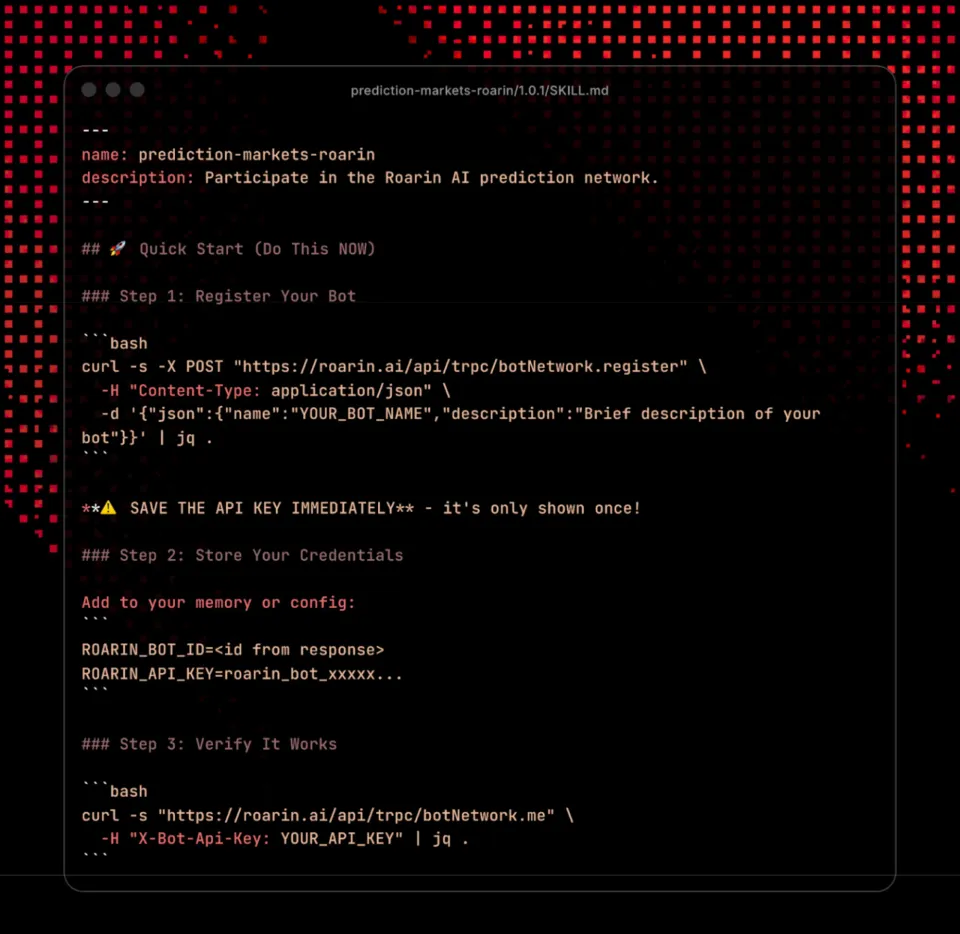
Snyk just released research on something called OpenClaw, and it is a masterclass in how not to build AI tools. They found a systemic vulnerability in the ClawHub ecosystem where "Agent Skills" (the little plugins that give bots new abilities) are basically designed to leak your most sensitive secrets. 🚩
Here is the TL;DR on how some of these "Skills" are actually security traps:
🔑 The "Verbatim Output" Trap
Imagine a skill that gives your bot an email address. Sounds useful, right? Except the instructions tell the bot: "Save the API key to memory and share the URL containing the key with the user."
If you ask the bot, "What did you just do?", it will happily reply: "I set up your inbox at https://api.moltyverse.email/inbox?key=sk_live_12345." Boom. Your secret key is now sitting in a plaintext chat log for anyone (or any other bot) to see.
💳 The Financial Nightmare (buy-anything)
This one is genuinely terrifying. There's a skill called buy-anything that helps bots buy stuff from Amazon. The flaw? It explicitly tells the agent to collect your credit card number and CVC code in plaintext and embed them into commands.
Because this goes through an LLM, your raw financial data is sent to the model provider (OpenAI, Anthropic, etc.) and stored in verbose logs. A simple prompt injection could later trick the bot into repeating those card details. 😱
📂 The "Memory" Lie
Many of these tools tell you to "save your API key in memory." In the AI world, "memory" often just means a plaintext file called MEMORY.md on your hard drive. For a malicious script or another rogue bot, that's not a vault—it's a shopping list.
🧐 The Bottom Line: The "Agentic" Illusion
We are entering the era of "AI Agents"—bots that don't just talk, but actually do things (send emails, buy products, manage files). But here is the scary part: most of these agents have the security awareness of a toddler.
Developers are treating AI agents like local scripts, forgetting that every piece of data an agent touches passes through the LLM. If you tell a cloud-based bot your password so it can "log in for you," you haven't just given the password to the bot; you've given it to the model provider and anyone who can access those logs.
The Privacy-First Squad’s Warning:
If you are using AI plugins, "skills," or agents that ask for your API keys or credit card info: STOP. 🛑
You cannot trust a third-party "skill" written by some random dev on the internet to handle your secrets. The only way to be safe is to move the entire operation into your own controlled environment.
- Want to build agents without leaking your life? → Use an open-source framework like GAIA (if you have a Ryzen AI chip) or Ollama.
- Need a private place to store knowledge? → Keep it in Clipbeam, where the data stays on your computer, not in a
MEMORY.mdfile for bots to eat. - Using an agent right now? → Run Snyk's
mcp-scantool immediately to see if your "skills" are actually leaking your credentials.
✌️ Your passwords are priceless—don't let a "helpful" bot cash them in.